Loading game
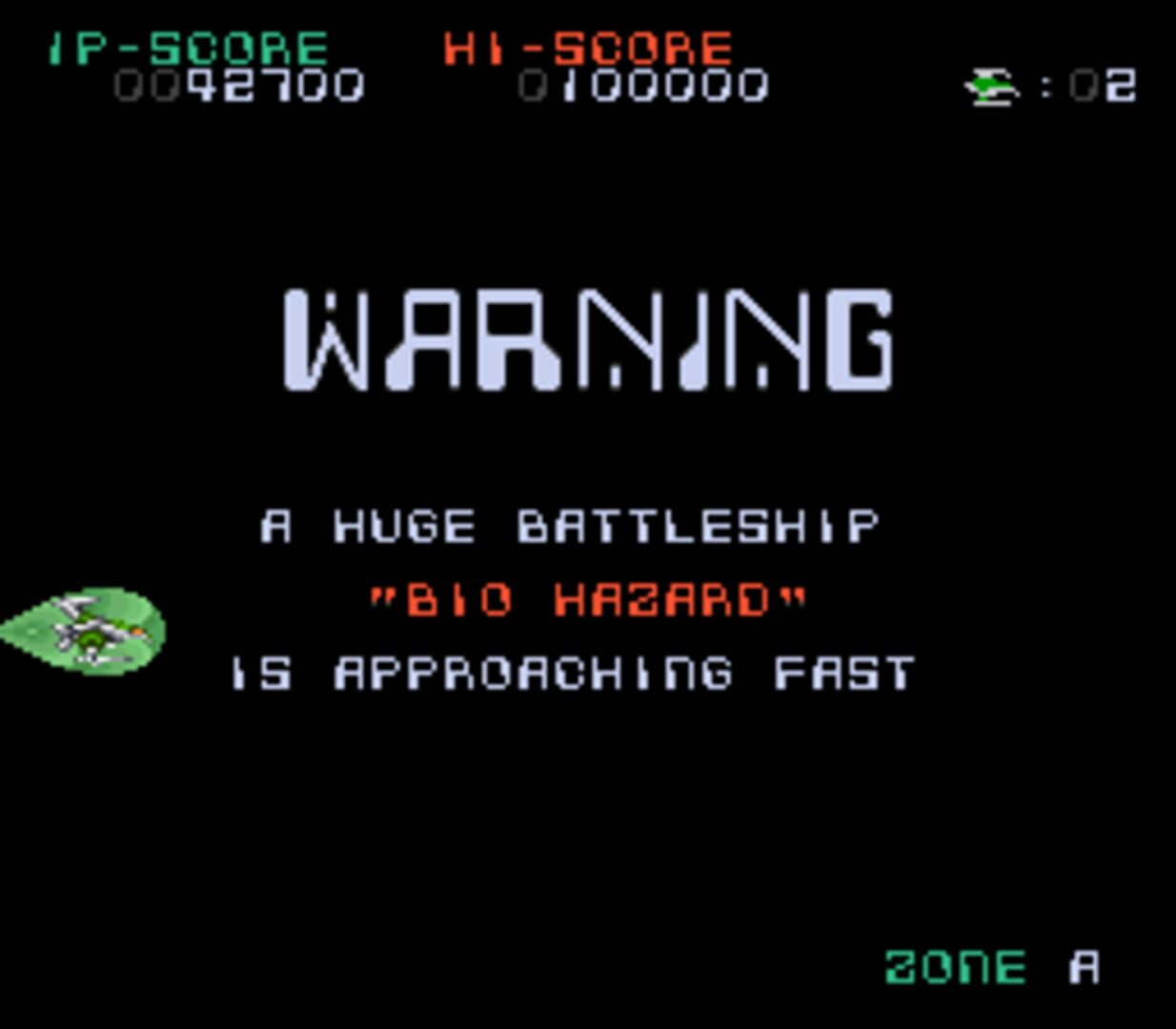
Super Nova
Main gameOfflineIGDB
By: Taito
By: Taito
Avg. rating
—
Reviews
0
Darius Force, also known in North America as Super Nova, is a shoot 'em up game released for the Super Nintendo in 1993. One main difference between this game and the rest of the Darius games is that the player can choose one of three Silver Hawks to play. The green one is the Silver Hawk of Darius. The blue one is the Silver Hawk of Darius II. The red one is a new prototype of Silver Hawk that exists only in this game. There are three power-ups in this game, which can be obtained in three ways: - Destroying a complete formation of ships like in Darius II and Darius Twin or amoebas. - Destroying a flashing meteor during a meteor rain. - Destroying a futuristic cage on the floor and/or ceiling of an area. The power-ups for this game are the red bubble (shot and bomb power up), the blue bubble (shield regenerate and level up), and the green bubble (randomly gives a bonus point or an extra ship). There is also a special power up that can destroy all enemies on screen if it's destroyed (like Darius II) or can make the Silver Hawk shoot a powerful laser beam if its grabbed by the player. There is no power up bar, which means that if a Silver Hawk is destroyed, the shots and bombs are powered down to the minimum level. Also, when the player loses a ship on a stage, it is returned to the 'check point' (not identify in game) of that stage, if the ship has lost during a boss also return the last 'check point' before the boss appear. Like Darius Twin, the player uses (by default) the Y button for shot and the B button for dropping bombs. As long as the player keeps pressed both buttons, the shots are powered down one level. The player can switch between bombs and side laser guns by pressing the R button. The stages map for this game is very different of the rest of the Darius games. This map contains 15 stages, but only allows the player to take the forward or up paths, until the player reaches the L, N or O stage. Each one of those three stages contains its own boss and ending.
Super Famicom · Sep 24, 1993
Japan · Exact date · Full release · IGDB
Super Nintendo Entertainment System · December 1993
North america · Month · Full release · IGDB
Satellaview · TBD
Japan · To be determined · Full release · IGDB
Catalog sources
Achievement progress has not been imported yet.
No provider-attributed achievement catalog has been imported for this game yet.
Community notes
Main game